(888) 227-CASE | 50 West Street. Bloomfield, NJ 07003

Centralized Sterile Processing: Opportunity, Risk, and the Path Forward
Centralized Reprocessing Done Right
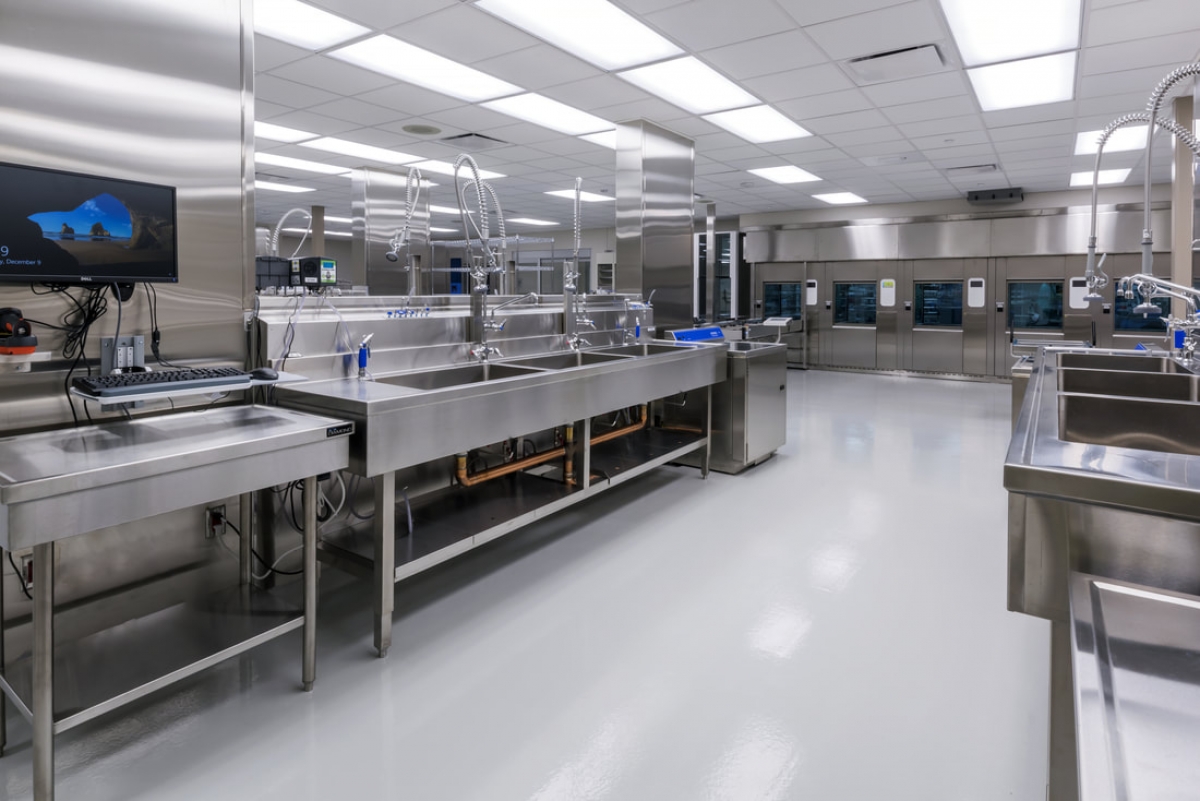
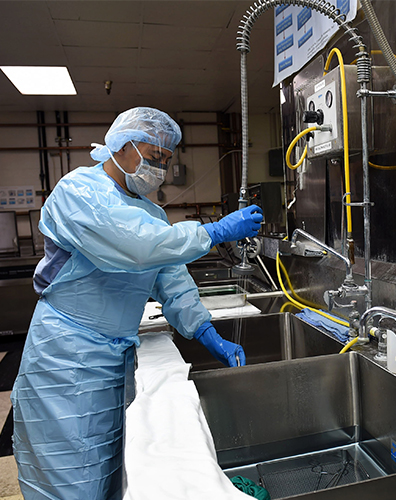
Reprocessing medical devices is a complex, multistep workflow that includes cleaning, inspection and assembly, functional testing, disinfection when required, packaging and labeling, sterilization, transport, and storage. The move toward centralized reprocessing has gained momentum in recent years. In many industries, centralization has consistently lowered costs and enhanced quality, and healthcare leaders are confident that well-designed offsite centers can deliver similar results. The benefits are clear: streamlined workflows, standardized procedure trays across facilities, stronger quality control, greater operational efficiency, and measurable cost savings. That said, transitioning to an offsite model presents challenges. From accommodating last minute or trauma cases to managing transportation and mitigating risk, success depends on careful planning and execution. That is where Case Medical can help.
The Evolution of Reprocessing: From Hospital-Based to Offsite Excellence
Sterile processing began within hospitals in the 1940s, but the shift to offsite reprocessing has evolved gradually over decades. Concerns have centered on the risks of transporting contaminated or sterile items, potential increases in turnaround time, and the perceived loss of direct quality control. Given the complex, multistep nature of reprocessing, these concerns are understandable. When procedures are performed in outpatient settings or devices are sent to an offsite reprocessing center, they must receive the same level of care as in a hospital based sterile processing department. After each procedure, instruments are precleaned, disassembled as needed, securely contained to prevent leakage, and transported for cleaning, packaging, sterilization, and return in closed case carts. Like any operational shift, success depends on proactive planning, rapid issue resolution, and clear communication with staff and surgeons, guided by evidence based, data driven decisions that build confidence and manage risk.

Offsite Sterile Processing: Balancing Opportunity and Risk
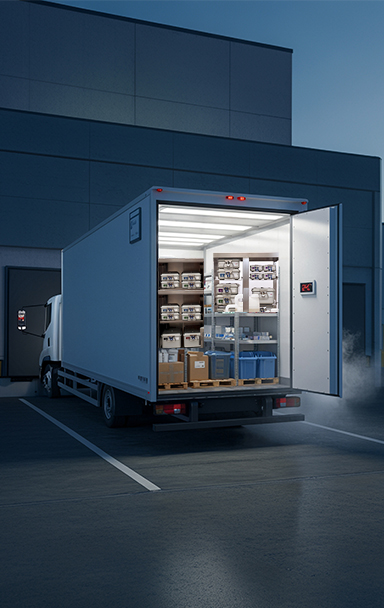
Shipping instruments to an offsite reprocessing can support better compliance with manufacturers’ instructions for use and improve operating room satisfaction by delivering trays that are complete, properly assembled, and free of missing or soiled instruments. Standardizing instrument sets during the facility design phase further enhances efficiency, while scheduled transport, often every four hours across a health system helps maintain consistent workflow. However, daily transport of delicate instruments raises concerns about damage and regulatory compliance, particularly with federal transport requirements. A transport vehicle is effectively “storage on wheels,” meaning temperature, humidity, and environmental conditions must meet the same standards required at the point of use. The sterile barrier must also be protected from dirt, dust, and moisture during transit. Success depends on recognizing both the operational advantages and the logistical realities and implementing systems that proactively manage risk while preserving quality and teamwork.
Transform Your Instrument Workflow with Case Medical
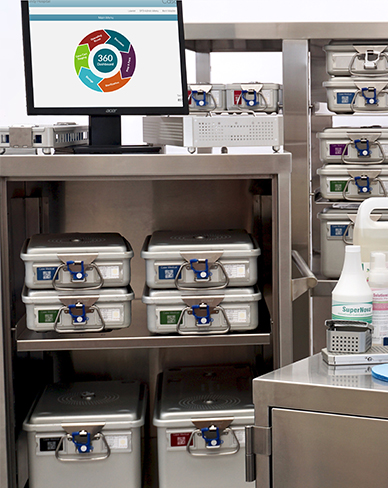
Case Medical delivers validated, durable solutions that protect instruments and streamline workflow from the end of one surgery to the beginning of the next. With universal SteriTite° reusable containers ideal for standardization across a system, MediTray° customizable procedure trays, Case Solutions° EPA Safer Choice labeled cleaning chemistries, durable, stainless steel case carts, and CaseTrak360° tracking and document management software, Case Medical helps ensure instruments are protected, compliant, and ready when needed.
Partner with Case Medical to strengthen your sterile processing strategy, on-site or offsite, and deliver efficiency, safety, and confidence at every step.
Partner with Case Medical to strengthen your sterile processing strategy, on-site or offsite, and deliver efficiency, safety, and confidence at every step.