(888) 227-CASE | 50 West Street. Bloomfield, NJ 07003

Non-Chemical Critical Water for Healthcare Reprocessing
Protecting Patients, Staff, and the Environment
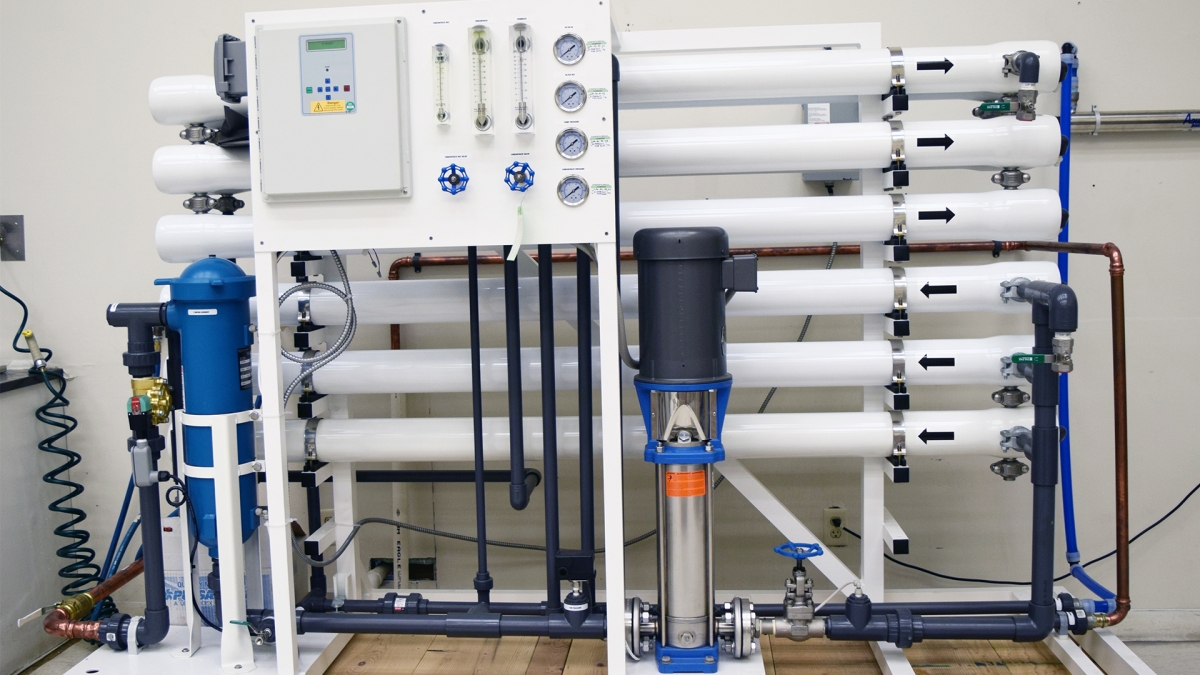
As we prepare to attend AAMI next week, we see an important opportunity to strengthen shared understanding of how water treatment decisions influence safety, compliance, and sterilization outcomes in healthcare reprocessing. Case Medical, recognized as a U.S. EPA Safer Choice Partner of the Year, approaches chemical safety as an essential part of protecting both staff and patients. With AAMI ST108 providing clear guidance on water quality monitoring and effective system design, we believe the discussion can further highlight how filtration, RO, and UV can reliably achieve high-purity critical water while reducing chemical handling burdens and environmental impact.

Advocating for Non-Chemical Water Treatment
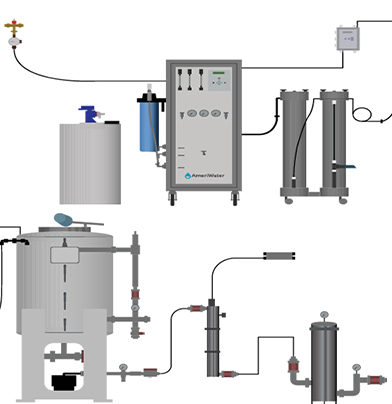
Non-chemical water treatment is the safer and more sustainable approach for producing the high-purity critical water needed for reprocessing in healthcare facilities, especially when effective filtration, RO, and UV can meet required water quality standards without chemical additives. By relying on physical barriers and disinfection rather than dosing, the system avoids the risks that come with chemicals, such as overfeed events, storage and handling hazards, operator exposure, and the need for complex monitoring to control residuals. Filtration and RO remove sediment, organics, salts, and many dissolved contaminants through predictable, measurable performance, while UV provides disinfection without introducing new compounds or creating chemical by-products. RO alone is an effective process for removal of biological contaminants and bacteria.
Designed for the Environment
A design centered on filtration/RO/UV also protects the environment because it does not intentionally introduce treatment chemicals that can carry through to wastewater or receiving waters. Without coagulants, oxidizers, pH adjusters, media or other additives, there is far less risk of residual discharge, harmful reactions with other constituents, increased sludge generation, or toxicity to downstream biological processes. This approach reduces regulatory burden associated with chemical storage, hazardous waste, and residual compliance, and it simplifies operations by eliminating many chemical dosing points and failure modes.


Developed for Staff and Patient Safety
A non-chemical approach improves occupational and patient safety by reducing the chance of exposure to hazardous chemicals and airborne contaminants. Chemical handling can generate fumes, spills, and splash hazards, and some treatment steps can contribute to aerosolization of particulate matter, especially during mixing, transfer, or maintenance, raising the risk of respiratory irritation and triggering conditions such as asthma in sensitive individuals. By minimizing chemical use and emphasizing enclosed, filtration-based treatment, the system lowers the likelihood of aerosolized irritants in clinical and mechanical spaces, supporting a safer environment for staff and patients.
Chemical Safety Reduces Risks and Cost
A treatment approaches that remove dissolved contaminants, such as RO (ideally paired with appropriate prefiltration) from steam lines support more consistent boiler feedwater chemistry, reduce carryover risk, improve steam dryness, and help maintain predictable sterilization outcomes with less residue, less maintenance, and fewer cycle failures.
From a lifecycle perspective, non-chemical treatment is often more cost-effective because it shifts spending from ongoing consumables (chemical purchases, delivery, storage infrastructure, dosing equipment, safety training, and spill mitigation) to durable components with planned maintenance intervals (filters, membranes, and UV lamps). Costs become more predictable, safety requirements are reduced, and operator workload typically decreases. A well-designed non-chemical configuration emphasizes staged filtration to protect RO membranes, energy-efficient operation, and straightforward performance monitoring, supporting stable compliance, long-term sustainability, and minimal environmental pollution.
From a lifecycle perspective, non-chemical treatment is often more cost-effective because it shifts spending from ongoing consumables (chemical purchases, delivery, storage infrastructure, dosing equipment, safety training, and spill mitigation) to durable components with planned maintenance intervals (filters, membranes, and UV lamps). Costs become more predictable, safety requirements are reduced, and operator workload typically decreases. A well-designed non-chemical configuration emphasizes staged filtration to protect RO membranes, energy-efficient operation, and straightforward performance monitoring, supporting stable compliance, long-term sustainability, and minimal environmental pollution.

Make Non-Chemical Water Treatment the Default for Sterile Processing
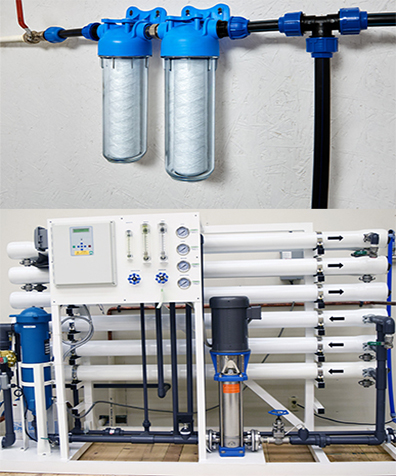
Evaluate current water treatment and steam quality, reduce or eliminate unnecessary chemical conditioning where RO, filtration, and UV can meet requirements, and implement defined monitoring and acceptance criteria to verify critical water quality and sterilization performance. Case Medical supports this approach with solutions aligned to these goals, including RO water purification systems to help generate high-purity critical water, along with U.S. EPA Safer Choice recognized reprocessing chemistries and accessories that promote effective cleaning, thorough rinsing, and instrument protection across the reprocessing workflow.