

State of Affairs
Healthcare saves lives but it also leaves a heavy environmental footprint. Globally, the sector is responsible for approximately 4.4%–5.2% of greenhouse gas emissions and about 5% of global CO₂. If healthcare were a country, it would rank as the 13th largest emitter, and in the U.S., it accounts for roughly 8.5% of domestic greenhouse gases. Beyond air emissions, healthcare contributes to wastewater pollution through the discharge of persistent, complex chemical and biological residues that can carry a 5%–15% higher pollution load than typical municipal sewage. We can reduce this impact starting with what we use to clean by prioritizing safer cleaning chemicals and procurement standards that cut harmful emissions and reduce toxic residues without compromising infection prevention.

Exposure Is a Staff and Patient Safety Issue
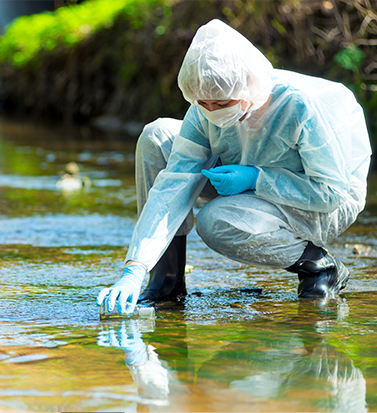
This issue matters not only for the environment, but for worker and patient safety. Healthcare workers, sterile processing technicians, and environmental services teams are essential to preventing disease transmission, yet chemical exposure in these roles remains understudied according to NIH. At the same time, the U.S. Environmental Protection Agency notes that indoor air pollution can be 2 to 5 times worse than outdoor air, and in some cases even up to 100 times worse (EPA, 2023). In healthcare settings where vulnerable populations are concentrated, this becomes especially concerning. Research also suggests real health consequences. One study found that nurses regularly exposed to chemical disinfectants had a 25% higher risk of developing COPD compared to those who were not (Dumas et al., 2019). The good news is that cleaning chemistry has advanced significantly, and effective solutions are widely available for environmental cleaning and device decontamination.
Common Chemicals, Preventable Risks
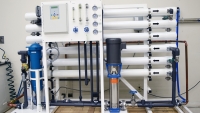
Many commonly used agents carry avoidable risks. Water treatment chemicals such as chlorine can react with organic material to form hazardous byproducts like trihalomethanes. Where feasible, filtration-based approaches such as activated carbon or other point of use or point of entry treatment can reduce contaminants and byproduct precursors and may lessen reliance on chemical additives. Hospital grade cleaners and disinfectant wipes often rely on chemicals such as formaldehyde, ammonia, and quaternary ammonium compounds (quats), and these products are sometimes used off label to clean and decontaminate medical devices. These chemicals have been associated with asthma, skin irritation, long term respiratory effects, and carcinogenic concerns.
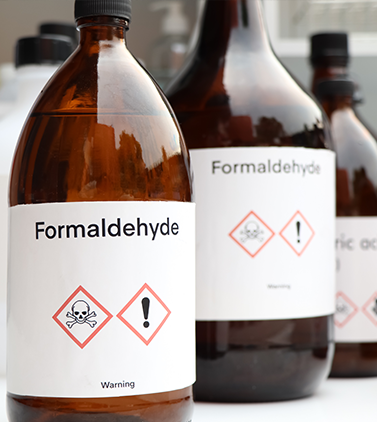
Risk also increases when products are mixed improperly, particularly bleach and ammonia, which can create toxic gases that may cause severe lung damage or death. Compatibility matters across workflows as well. Mixing high strength hydrogen peroxide with strong alkaline solutions can damage device surfaces and contribute to residue issues. Using alkaline detergents or disinfectant wipes prior to low temperature vaporized hydrogen peroxide sterilization without thorough rinsing may contribute to cancelled cycles and performance problems. The best way to avoid mitigation after the fact is to follow manufacturer IFUs from the start.
Prevention First with Smarter Substitution
Implementing practical safeguards is beneficial; however, proactive and informed product selection offers more effective upstream prevention of potential harm. Replacing higher hazard products with safer alternatives that remain effective is often the most impactful step. Evaluate the health and safety hazards of all products you purchase and choose the least hazardous option within each product class. Because cleaners, sanitizers, and disinfectants serve different purposes, selection should be task specific. Choose the least hazardous product that achieves the required outcome.
Safer Chemistry That Protects People, Patients, and the Planet
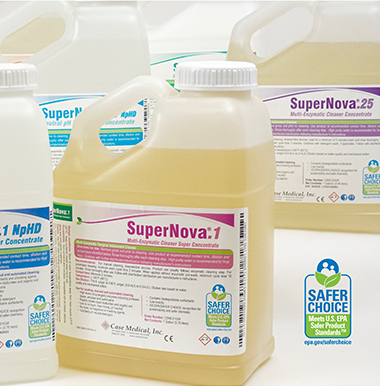
Certified green chemistry provides an added layer of assurance. It is also important to remember that green branding does not automatically mean safer chemistry. Products certified by the U.S. EPA Safer Choice Program are independently validated and reviewed by toxicologists for ingredient safety, helping healthcare organizations reduce environmental impact while protecting workers. Case Medical offers instrument cleaners, solvents, and lubricants that contain EPA Safer Choice certified ingredients, supporting safer operations while aligning with sustainability expectations and accountability requirements.
Upgrade to Safer Choices
Audit the cleaning and disinfection products used across your facility, identify higher hazard chemicals and off label practices, and standardize procurement around safer, independently vetted options such as EPA Safer Choice certified products that meet clinical performance needs. Add water quality to the plan as well. Evaluate filtration options that can reduce contaminants and help minimize dependence on chemical additives. Protect your staff, safeguard patients, and reduce your environmental footprint by making clean, truly clean, purchasing decisions.
Contact Case Medical, a U.S. EPA Safer Choice Partner of the Year; we are here to help.