
Keep It Simple Solutions
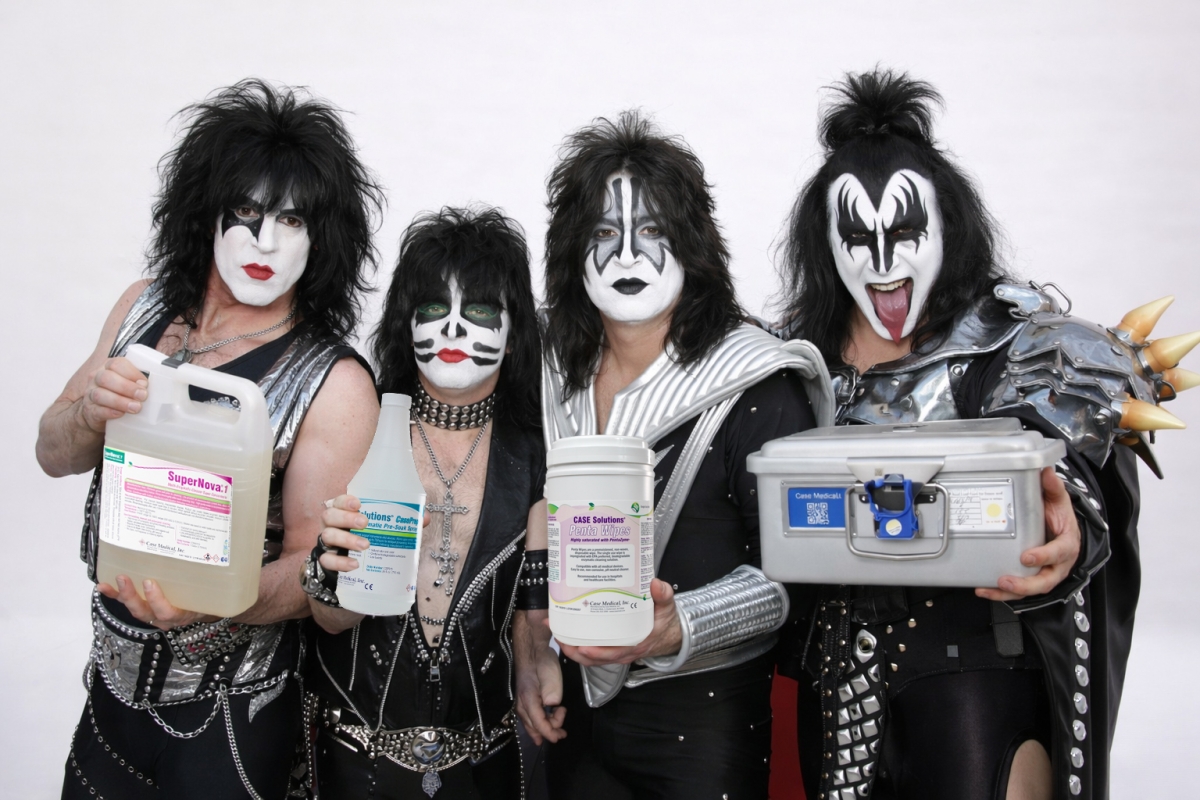
The last few blogs focused on the importance of standardization to decrease waste, remove unnecessary steps, improve turnover, and provide consistent workflow and increase efficiency. Currently, standardization and offsite processing are key buzz words for strategic plans to reduce handling and cut costs in SPD. While facilities are focused on the concept of tray optimization and standardization, there are still many questions concerning implementation. This is where Case Medical’s KISS strategy may be just what is needed. Keep it simple. Unclutter. Reduce processing steps and unnecessary inventory with a standardized configuration, a universally compatible sealed container, and validated cleaners.


Surgeon’s Preference and Standardization
Surgeon’s preference refers to the specific, individualized choices a surgeon makes regarding instruments, equipment, supplies, and techniques used during a surgical procedure. These preferences act as a tailored roadmap for OR staff to follow. Currently, facilities are undergoing transition from onsite SPD to offsite reprocessing centers moving from existing departments within the hospital to a standalone SPD. How to manage and implement this project is still under discussion. One concern is how to simplify the process, while meeting the individual needs of the surgeon and their specific specialty. Our suggestion is to move to a standardized tray configuration acceptable to all within the department and within a healthcare network. Then to meet surgeon’s preference, we can place their personalized items in a small, individualized sealed container developed for durable transport. By standardizing, facilities within the system receive the same streamlined procedure tray, and the surgeon is satisfied because he has what he requires .
Keep It Streamlined
Instrument processing involves multiple sequential steps—from point of use in the OR to manual cleaning, ultrasonic treatment, and automated washing in SPD. At each stage, cleaning chemistries are often introduced. When multiple or incompatible agents are used, the risk of residue increases. Residual chemistry left on instruments can contribute to device damage, interfere with sterilization efficacy, and create potential safety concerns for both patients and staff.
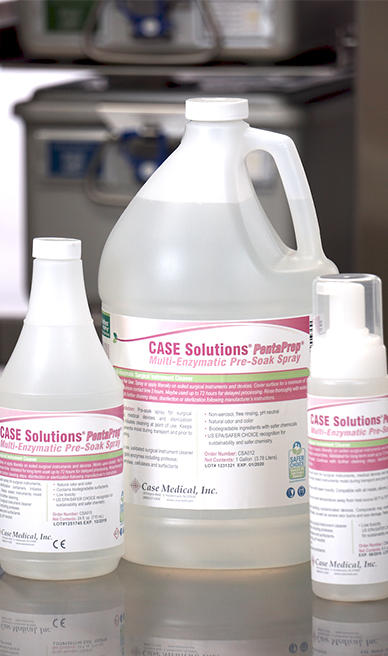
Many facilities are now evaluating how to simplify this process while maintaining compliance and performance standards. One effective strategy is to limit chemical complexity—selecting validated cleaners that perform efficiently in a streamlined workflow and are followed by thorough rinsing. Reducing unnecessary steps and overlapping chemistries can help minimize residue, protect instruments, and support consistent sterilization outcomes. When standardized, certified cleaners are used to effectively remove bioburden and organic soil—and are designed to rinse cleanly—facilities often see measurable benefits: improved instrument longevity, faster turnaround times, reduced rework, and more predictable results. A simplified approach not only enhances operational efficiency, but also supports patient safety and environmental responsibility.
Many facilities are now evaluating how to simplify this process while maintaining compliance and performance standards. One effective strategy is to limit chemical complexity—selecting validated cleaners that perform efficiently in a streamlined workflow and are followed by thorough rinsing. Reducing unnecessary steps and overlapping chemistries can help minimize residue, protect instruments, and support consistent sterilization outcomes. When standardized, certified cleaners are used to effectively remove bioburden and organic soil—and are designed to rinse cleanly—facilities often see measurable benefits: improved instrument longevity, faster turnaround times, reduced rework, and more predictable results. A simplified approach not only enhances operational efficiency, but also supports patient safety and environmental responsibility.
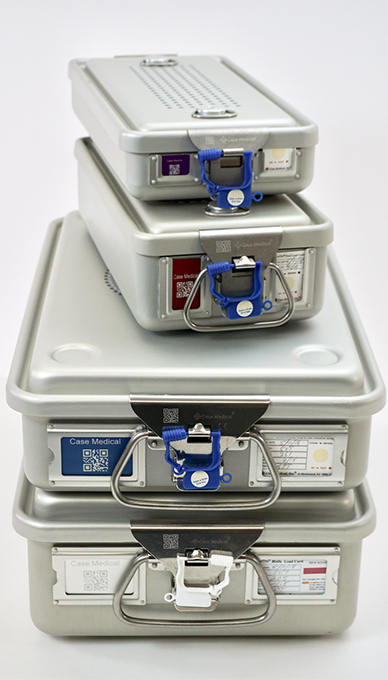
Integrated Approach to Simplified, Standardized Processing
Standardizing with pre-configured trays reduces unnecessary variation and supports consistent setup across departments and facilities. Validated cleaners streamline decontamination, minimize chemical complexity, and promote reliable sterilization outcomes. Digital tools further strengthen the process by enabling barcode scanning, real-time access to digital IFUs, and data-driven accountability that supports best practices at every step. Case Medical’s SteriTite® universal container system integrates these elements with secure sealed transport, unique barcode technology, and immediate access to critical information. Whether processing is onsite or centralized at an offsite reprocessing center, the KISS Principle—Keep It Simple Solutions—provides a practical, scalable framework for standardizing across a healthcare network.
Standardization is no longer optional, it is strategic. Facilities looking to reduce variability, improve efficiency, and strengthen compliance must take a comprehensive approach to instrument processing. Now is the time to simplify, standardize, and strengthen your instrument processing strategy.
Standardization is no longer optional, it is strategic. Facilities looking to reduce variability, improve efficiency, and strengthen compliance must take a comprehensive approach to instrument processing. Now is the time to simplify, standardize, and strengthen your instrument processing strategy.