
Safer Chemicals, Safer Hospitals: Episode Three

Episode Three of Safer Chemicals, Safer Hospitals. A Pod Cast hosted by Case Medical.
Challenging Healthcare Dogma: Safer, Smarter, and More Sustainable Practices

Building the Right Procedure Tray for Your Healthcare Facility
Honoring Service, Strengthening Safety: Memorial Day Reflections from Case Medical

The Hidden Risks of Improper Instrument Processing

We’re talking about risk analysis, the process we go through before deciding on a given action. Whether it’s diet soda or donuts we'll do a casual risk analysis in our head.
Safer Chemicals, Safer Hospitals: Episode Two

Episode Two of Safer Chemicals, Safer Hospitals. A Pod Cast hosted by Case Medical.
Turning Sustainable Practices into Safer, More Reliable Healthcare Outcomes

Sterile processing professionals make important decisions every day that affect patients, staff, workflows, and overall outcomes. Sustainability is part of that responsibility, but in healthcare, it must always align with safety and effective practice.
Safer Chemicals, Safer Hospitals: Episode One

Episode one of Safer Chemicals, Safer Hospitals. A Pod Cast hosted by Case Medical.
Supporting OR Efficiency, SPD Consistency, and Surgeon Satisfaction

Custom procedure trays do more than hold instruments—they help create a more consistent, efficient experience across the OR and Sterile Processing Department while supporting physician preference. When a tray is configured around the actual instruments used for a procedure, the result is a system designed for organization, protection, and workflow efficiency rather than a one-size-fits-all approach.
How Custom Procedure Trays Support Standardization Across Healthcare Systems
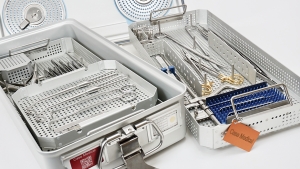
Years ago, or rather decades ago, Case Medical developed a modular reusable packaging system designed to organize and protect medical devices using off-the-shelf components and standardized trays. That expertise grew from years of developing custom graphics trays on an OEM basis for a wide range of medical device manufacturers.