


The biggest operating room disruptions begin long before incision. Discover how standardization streamlines workflows, reduces rework, and keeps cases on schedule.
Eliminate OR Delays Before They Start
Every minute in the OR matters. When trays are delayed, instruments are missing, or wet sets hold up a case, the impact goes far beyond inconvenience for the surgeon, patient, and the operating room. Scheduling gets disrupted, staff time is wasted, and costs rise quickly. Many of these breakdowns trace back to variation in reprocessing, tray design, and workflow. The good news is that standardization can help fix what slows the OR down.


Where Delays Really Begin
OR delays often start long before a patient enters the room. Cluttered trays, complex devices, repetitive processing steps, incompatible accessories, extended sterilization times, and unclear instructions can all reduce SPD efficiency and delay instrument readiness. What gets accepted as routine inefficiency is often preventable. Reducing variation across the reprocessing cycle helps create the consistency the OR depends on. Delays, rework, and rising costs often trace back to inconsistent processes. Here’s how standardization helps you regain control and efficiency. Organized procedure trays can make all the difference.
Fewer Surprises, Better Flow
Standardization supports smoother case flow by making instruments easier to process, easier to assemble, and easier to deliver to the point of use. It can help support on-time starts, more reliable turnover, and fewer last-minute substitutions caused by missing or incompatible devices. It also improves alignment between SPD and the OR. When trays, containers, chemistries, accessories, and process are standardized, communication becomes clearer and workflows become more dependable. Validated processes also support infection prevention and safer handling for patients and staff. Standardization isn’t just about consistency; it’s about speed, safety, and cost control.


Small Changes, Big Operational Impact
The operational benefits are significant when turnover and costs are front of mind. Standardization can improve OR readiness and throughput, reduce instrument turnaround time, lower rework and wet set rates, strengthen compliance, and simplify audits. It can also reduce SKU complexity across service lines and lower the total cost of ownership across the OR. In other words, less variation creates more control and cost savings.
What to Look At First
Facilities do not need to start from scratch. Practical improvements are often readily available. Decluttering procedure trays and repurposing excess instruments can reduce unnecessary processing burden. Standardizing tray configurations across a health system can improve usability and consistency. Validated sterilization containers with universal compatibility and certified faster dry times can help reduce delays, long release times, and improve turnaround.

It also helps to standardize compatible accessories to reduce stock and use chemical indicators with definitive end point responses to eliminate confusion. Preserve your investments by using safer instrument chemistries for reprocessing devices that protect patients, staff, and instrumentation. Review manufacturer’s IFUs closely whenever discrepancies arise.
A Smarter Way to Support OR Readiness
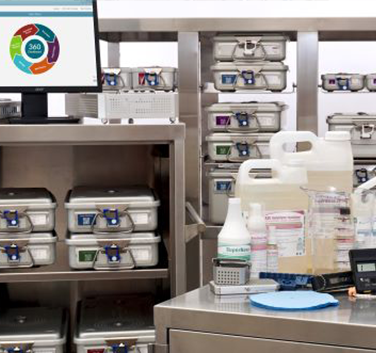
High-performing organizations rely on systems that work together. Case Medical’s 360-degree approach is designed to support both SPD and the OR with standardized products and universal compatibility across the instrument processing workflow. From the SteriTite universal sealed container and custom procedure trays to multi-purpose instrument chemistries, surgical case carts, RO water treatment systems, and CaseTrak360 with barcode scanning and digital visualization, Case Medical provides solutions that help reduce the variation behind case delays, rework, and inefficiency.
The Bottom Line
A better-performing OR starts with better standardization. When healthcare facilities reduce unnecessary variation, they improve readiness, strengthen workflow consistency, and help keep cases moving on schedule.
Contact Case Medical to learn how our products and services can help your facility work smarter, safer, and faster.