
The High Stakes of Sterile Processing Collaboration
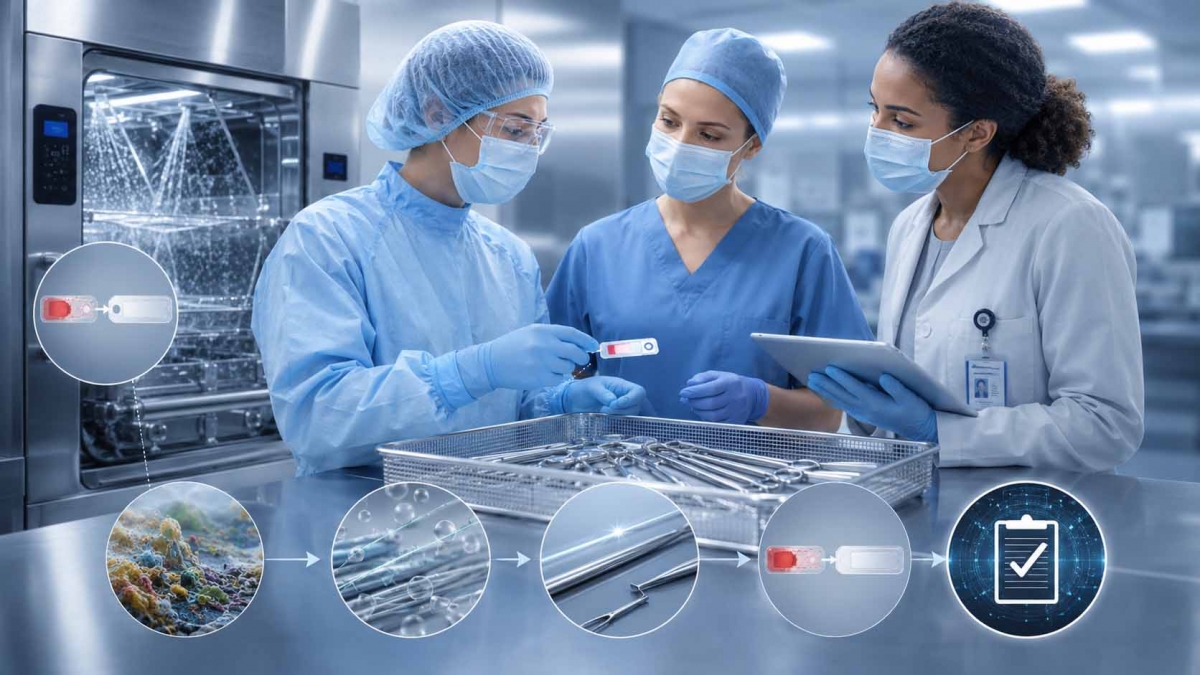
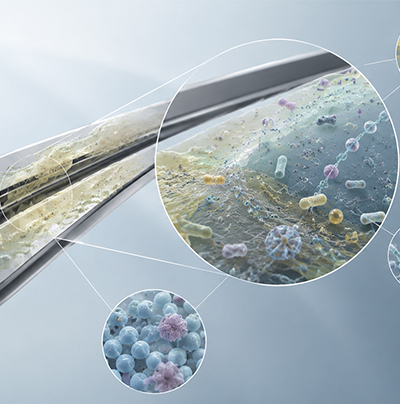
Patient safety in the modern healthcare facility relies entirely on an unbroken chain of trust between Sterile Processing (SPD) technicians, Operating Room (OR) nurses, and Infection Preventionists (IPs). While your individual tasks range from decontaminating complex surgical devices to managing hospital-wide compliance audits, your shared goal is the total eradication of healthcare-associated infections. Visual cleanliness is a dangerous baseline, as human eyes cannot detect the microscopic pathogens, sticky biofilms, or machine malfunctions that threaten patient outcomes. True quality control requires moving away from process estimation and adopting a rigorous, objective verification protocol that leaves no room for human error.
The Subjectivity Trap of Hard-to-Read Indicators
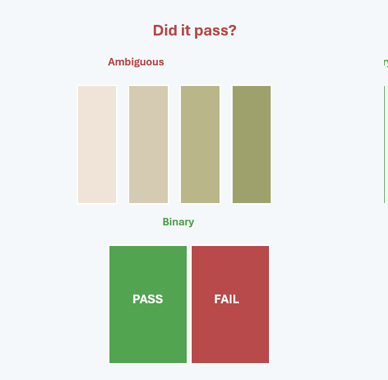
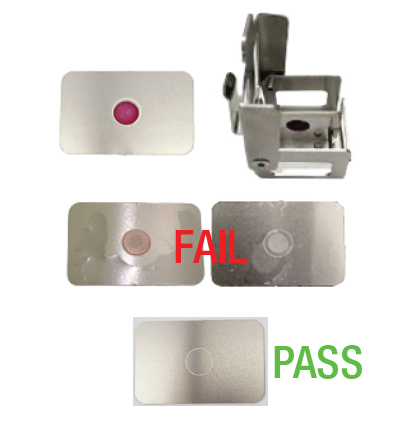
A major flaw in everyday instrument monitoring is the industry's reliance on highly subjective chemical indicator strips that undergo gradual, weak color shifts. In a high-pressure decontamination room or a busy surgical theater, technicians and OR nurses do not have the time to second-guess whether a faded hue has reached the "correct shade" of compliance. These vague transitions introduce unnecessary variation between shifts, creating cognitive fatigue and increasing the likelihood of human misinterpretation. To safeguard the sterile field, facilities must mandate monitoring tools that provide immediate, binary, and high-contrast endpoints that are clear, concise, and perfectly repeatable across every single operator.
The Liability of Monitors Designed to Always Pass
An indicator that passes every automated wash cycle regardless of subtle mechanical or chemical deficiencies is an active liability to your hospital's clinical team. Many standard wash monitors are engineered with fragile dyes or unstable coatings that rinse away under almost any condition, falsely confirming success even when spray arms are clogged, water temperatures plunge, or detergent pumps fail. For Infection Preventionists, these "easy pass" indicators mask systemic equipment failures and create an invisible trail of bioburden that persists undetected until patient infection rates spike. A defensive quality assurance program demands an indicator engineered to challenge the cycle, ensuring failures are caught in the decontamination room rather than discovered in the patient.


Eliminating the Dangerous Protein Blind Spot
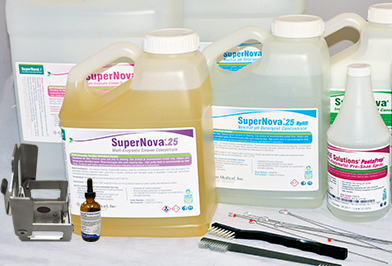
Human bioburden left on surgical devices is an intricate matrix of tissue and bodily soils, meaning standard indicators that only monitor for protein removal leave a massive clinical blind spot. If a patient's residue contains dense lipids, starches, carbohydrates, sugars, or fibrous tissue, a basic protein-only monitor will completely miss them, allowing uncleaned layers to remain on the metal and form a protective shield around surviving bacteria during sterilization. Unlike generic options, the Case Medical Case Soil Indicator provides a truly representative challenge by using a scientific cocktail of multiple organic soils, including sterile blood components, lipids, carbohydrates. It is engineered to mirror the broad digestive range of advanced multi-enzymatic chemistries like SuperNova and Case Solutions, failing instantly if any part of the chemical or mechanical process drops below strict parameters.
Validated Safety and Audit-Ready Compliance
Standardizing a broad-spectrum, high-contrast monitoring system bridges the gap between validation and daily processing verification while giving your hospital ironclad legal protection. Backed by the U.S. EPA Safer Choice Certification, tested by third party laboratories, Case Medical’s combined system of multi-enzymatic detergents monitored by a representative wash indicator guarantees that your reprocessing loop is validated for safety, highly effective against resilient bioburden, and completely free of toxic chemical residues. This provides Infection Preventionists with robust, audit-ready data that easily satisfies strict regulatory inspections from organizations like The Joint Commission. By pairing the right chemistry with a matching broad-spectrum soil monitor, your facility replaces subjective guesswork with scientific certainty to deliver the highest standard of patient care.
Take the Next Step Toward Zero-Risk Processing
Audit your decontamination process today. Schedule a department-wide assessment with Case Medical to verify compliance with the latest AAMI ST79 guidelines, evaluate your current wash indicators, and receive a customized transition plan to EPA Safer Choice-certified chemistries. Complete the process with Case Medical's protein detector to verify the removal of invisible protein soil, because what you can't see can still put patients at risk.