


Why It Matters Most During the Holidays
The holiday season often brings added challenges to Sterile Processing Departments (SPDs). Case Medical is here to support you today and throughout the year with safer and innovative products. We understand that during the Holiday season you are dealing with more cases, fewer staff, and less room for errors. In this high-pressure environment, water quality often becomes an overlooked variable. However, it is crucial for safe medical device reprocessing.
Impurities in the water can inactivate detergents and disinfectants, or shield microorganisms, compromising the entire sterilization process. They can cause stains, rust, or pits on costly surgical tools. This may lead to problems with the devices during surgery.
The quality of water used in sterile processing influences the effectiveness of cleaning and sterilizing medical devices. Importantly, it also impacts the device lifespan and patient safety. Contaminated devices can result in cross-contamination and Healthcare Acquired Infections (HAIs).
Choosing the right water treatment is important during the holidays. Healthcare teams must balance speed, safety, and cost while giving quality care.
The Risks of Chemical Water Treatment
Many healthcare facilities are following industry standards, such as ST108, and advice from water treatment companies. They suggest using chemical treatment such as softening, sodium bisulfate, and other additives before filtration.
Chemical treatment can pose health and safety risks as they are costly and require careful handling. Following chemical treatment, water quality experts recommend reverse osmosis (RO) using filtration and perhaps subsequent deionization (DI) to further treat the water. Simply consider if you need the chemical water treatment at all.
In contrast, using a pre-filter followed by an RO membrane is more effective and economical. The pre-filter removes sediment, total dissolved solids (TDS) and particulate matter. This helps the semi-permeable membrane of the RO system last longer. It also lowers maintenance costs and provides high-purity water more efficiently.
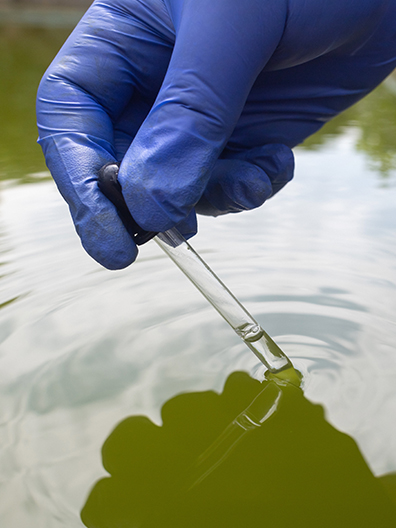
Using fewer chemicals reduces risk and supports a safer SPD environment for patients and staff. Chemicals like sodium bisulfate can become corrosive, produce unpleasant odors, and even harm staff, devices, and the environment. Treating water for medical device reprocessing is not the same as treating a swimming pool. Yet, commercial messaging often blurs the distinction.

Lessons from Nature: Filtration First
Nature has filtered water safely and effectively for millennia. Wetlands, soil layers, plant root systems, and even oysters remove contaminants without chemicals or harm. Humans followed this logic for centuries, using sand, charcoal, and cloth filtration systems to improve water quality.
In healthcare today, starting with filtration provides a safe, simple, and effective baseline. Pre-filters remove sediments and protect RO membranes. Reverse osmosis systems produce high-purity critical water for cleaning, rinsing and sterilization of medical devices. This approach achieves the purified water needed for patient care without unnecessary chemical additives.
Simpler, Safer, Smarter for Sterile Processing
A filtration-first approach is safer, cost-effective and environmentally responsible. Eliminating excess chemical use protects staff, devices, and patients while reducing harmful residues in wastewater that harm the environment.
Optional UV treatment for critical water points ensures the highest level of safety where it matters most. By keeping your water treatment process simple with pre-filter, RO, and UV, you ensure the highest water quality. These steps reduce risk and lead to better results with less effort.

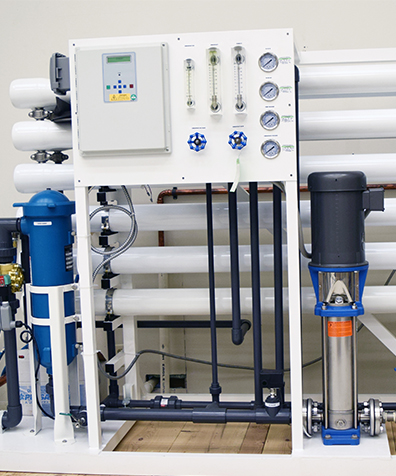
Safer Water Treatment with Case Medical
As you prepare for the busy season, now is the time to rethink your water treatment strategy. Filtration-first methods give safe and effective water for cleaning and rinsing medical devices in sterile processing departments. They avoid unnecessary chemicals that can pose health and safety risks. Case Medical can evaluate your current water system and create a cost-effective solution using pre-filtration, RO water treatment, followed by UV for critical water.
Here's wishing you a healthy and happy holiday season. Keep your patients, staff, and devices safe. Contact your Case Medical representative to learn about safer, simpler water treatment options for 2026.
To read more about water quality click here: Filtration without Harm.